A Little Known Secret of Roman Architecture…
And How Natural Pozzolan Is Transforming Modern Infrastructure
Environmental Minerals reduces concrete CO2 emissions with natural pozzolan that builds stronger, more sustainable infrastructure.
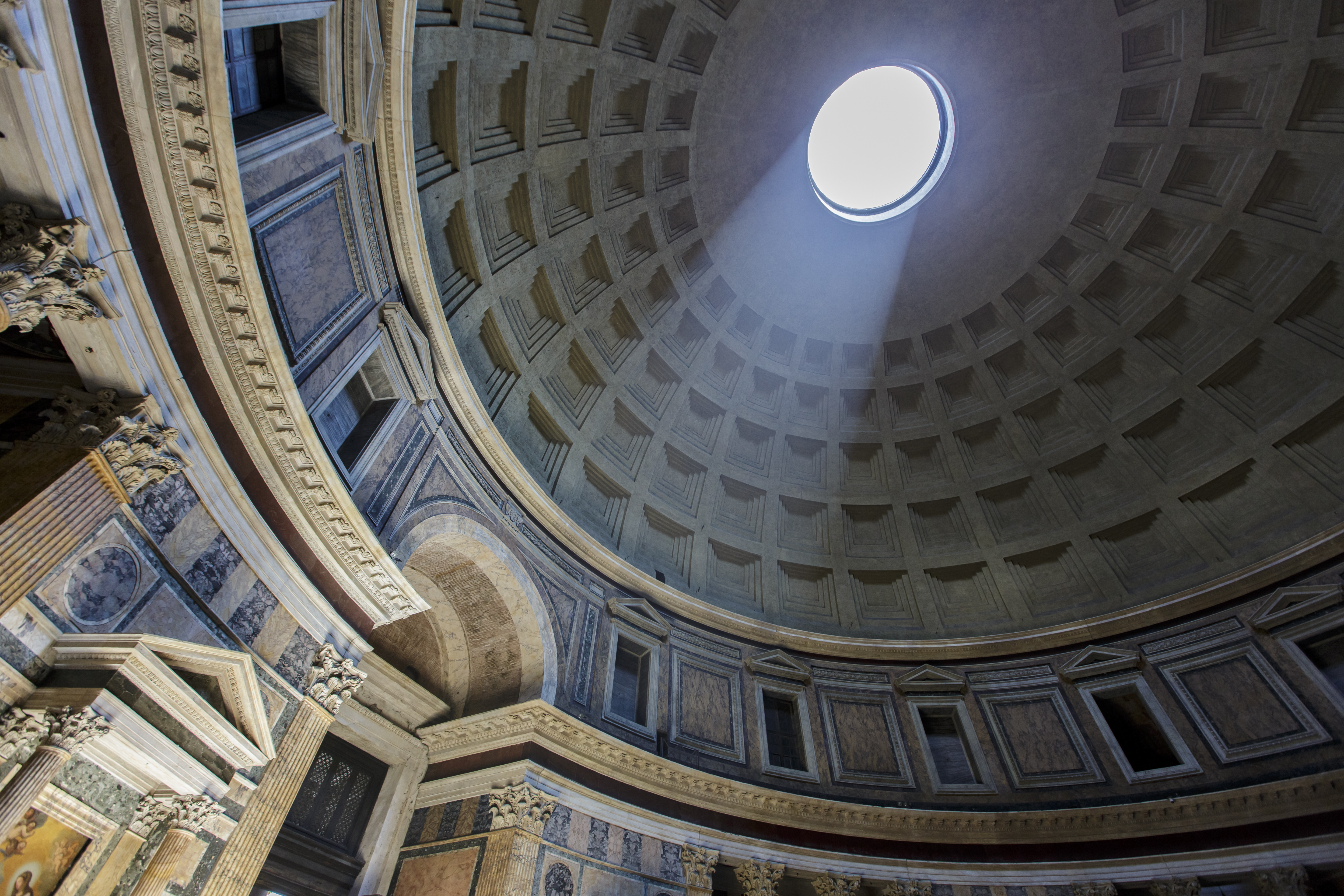
The Roman Pantheon: 1,900 Years of Proof
The Roman Pantheon stands today as the largest and longest-standing
unreinforced concrete dome in the world, 1,900 years after its construction in 126
AD. This engineering marvel features the famous oculus - the central opening that
has remained structurally sound, proving that properly formulated concrete with
natural Pozzolan can indeed last centuries.
Meanwhile, modern concrete bridges and structures crack within decades.
Contemporary structures made with only Portland Cement require constant
maintenance and replacement every 10-35 years.
What is the difference…
The answer lies in a remarkable discovery made in the ancient Roman port city of Pozzuoli, near Naples. Roman engineers discovered that mixing lime with a particular volcanic ash resulted in exceptionally strong concrete. This blend of concrete would actually moisture cure and became even stronger over time. Little did they know that it would last for centuries!
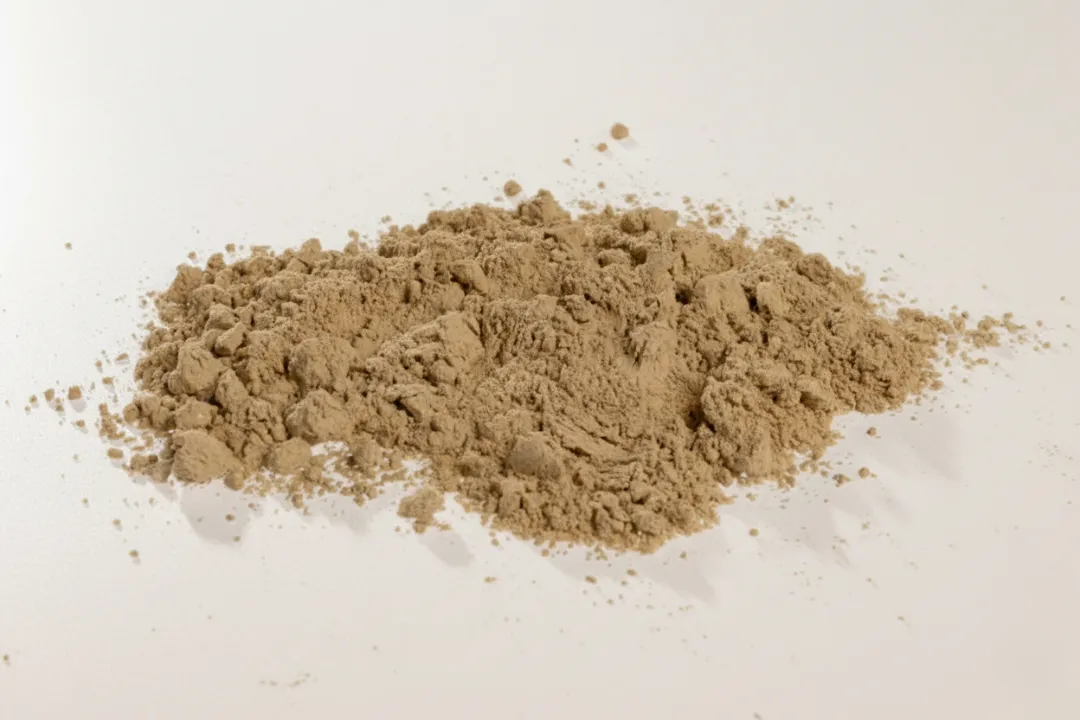
The Roman Innovation:
The Romans called this material pulvis puteolanus - literally "dust of Pozzuoli." This volcanic ash had latent hydraulic properties, meaning it could react chemically with water to form a strong, stable binding agent, even in marine environments.
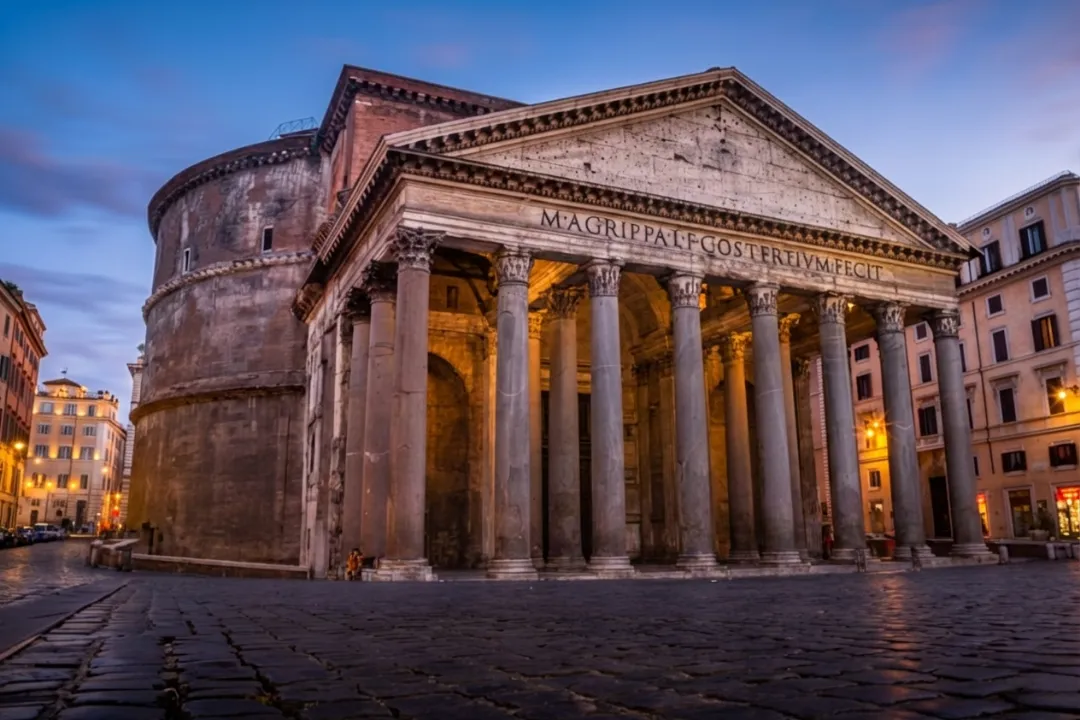
The Pantheon:
Ultimate Testament to Pozzolanic Concrete
The Pantheon in Rome represents the pinnacle of Roman concrete engineering. This demonstrates the extraordinary durability and structural capabilities achievable with properly formulated pozzolanic concrete.
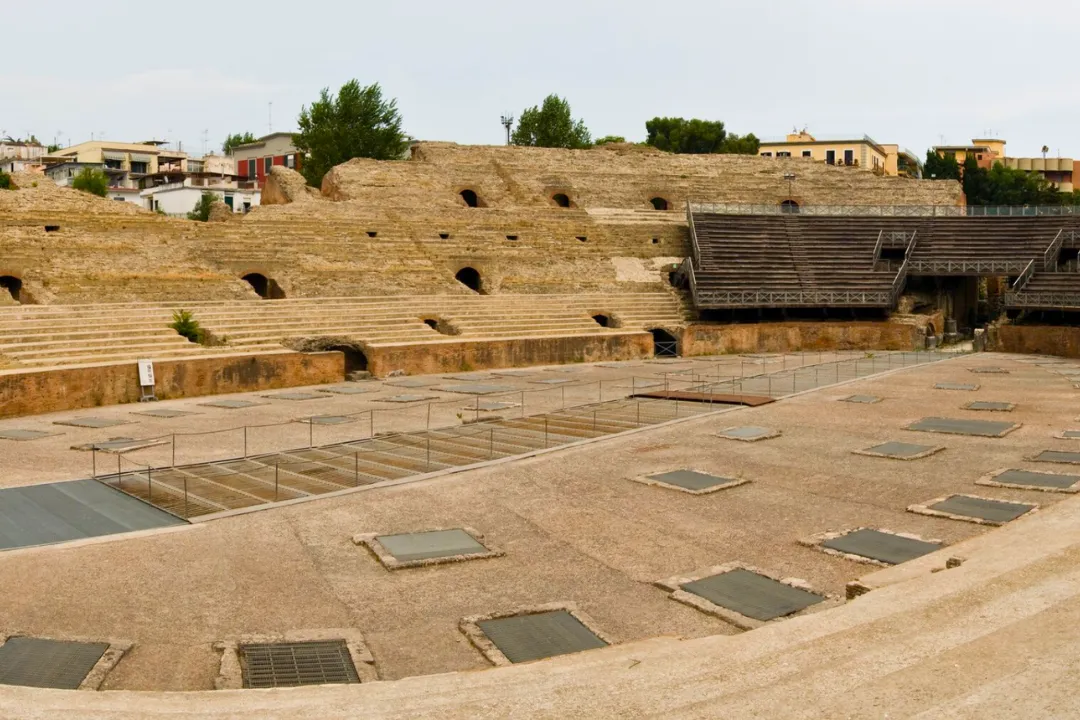
Global Legacy:
Because Pozzuoli was the primary source during the height of the Roman Empire, the name became synonymous with the material itself. Today, the term "pozzolan" refers to any material that exhibits these same remarkable hardening properties when used as concrete additives - a direct tribute to that ancient Roman discovery.
Understanding Pozzolans
The Science Behind Ancient Durability
A general class of materials called pozzolans are known as substitutional Cementous materials or SCM’s. They have the potential to substantially reduce not only the initial cost of construction but will also impact the long-term savings of concrete repairs.
Key Performance Advantages in Concrete:
The Perfect Storm
Infrastructure Crisis Meets Climate Mandates
Concrete is the second most used substance on Earth after water.
Cement production alone accounts for 8% of global CO₂ emissions - more than the entire aviation industry. As aging infrastructure crumbles and climate regulations tighten, engineers are rediscovering the ancient Roman solution.
The Supply Crisis
Coal-fired power plants are closing nationwide, eliminating the fly ash supply that concrete producers have relied upon for cement additives.
California's Department of Transportation reports persistent shortages and actively searches for alternatives.
Regulatory Acceleration
California Senate Bill 596 mandates carbon-intensity reduction in all public concrete infrastructure
Federal executive orders invoke the Defense Production Act for strategic mineral production
LEED certification programs increasingly require cement additives in concrete construction
Major cement producers tie financing to CO₂-intensity reductions.
Ancient Wisdom, Modern Urgency
Natural pozzolan doesn't just solve today's cement additive supply shortage - it addresses the fundamental sustainability challenge facing the concrete industry. This volcanic material reduces concrete emissions by over 20% compared to typical man-made pozzolan alternatives like fly ash.
Infrastructure designed to last centuries, not decades.
The Romans built for eternity.
Today's engineers are finally catching up.


